
Inter Caste Marriage
Home
Intercaste Marriage
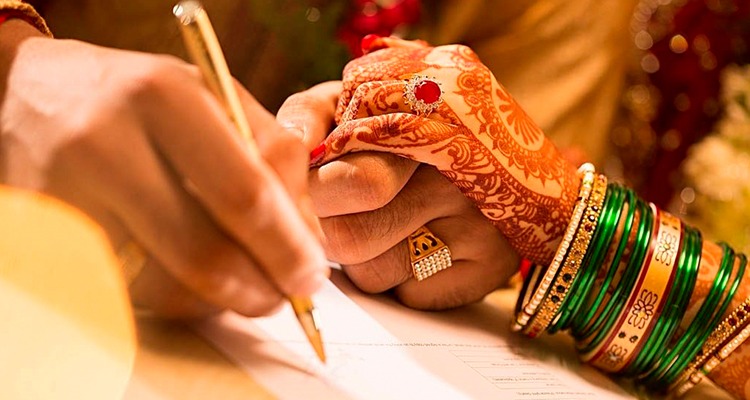
Inter Caste Marriage
In our country most marriages are governed by the specific personal laws governing each religion. However in extra ordinary circumstances when such nuptial ties are between two people of different castes, the Special Marriage Act, becomes the mandate. Our society has been grappling in the shackles of the caste system, since the very ancient times. Grave discrimination has been made on grounds of caste. There have been extremely stringent rules enforcing the same. Although we have come a long way in developing liberal perceptions, modern day society still has orthodox views and opinions inculcated within.
In today’s society intermingling between people from different castes is happening at different forums, be it for education, be it professionally. Thus it should not be a matter of grave consequence when marriage arrangements also involve such intermingling. The Special Marriage Act mandates certain pre-conditions essential for any marriage to be solemnized under this law. This legal provision is indeed a massive step towards a ‘broad-minded society’. Hindu Law has no stringent provisions regarding inter caste marriage as such, however Muslim Law clearly does.
The youth of today are quite receptive to the idea of inter-caste/ inter-religion marriage. Thus the real impediment is in altering the mind set of family elders. India has progressed significantly in terms of inter-caste marriages being on the rise. However this is still not embraced very well by people at large and we have a long way to go to rid our society of all prejudiced and pre-conceived notions, to widen our outlook.
Quick Enquiry
How can we help you?
Write to us with your enquiries, questions or Request a meeting with a Lawyer to discuss your potential case. One of our experts would Review the
form and Revert back shortly.
Interfaith marriages in India are primarily governed by the Special Marriage Act, 1954. This Act allows individuals from different religious backgrounds to marry without requiring either party to convert their religion.
No, one of the key benefits of the Special Marriage Act is that it does not require either party to convert their religion. Both individuals can retain their respective religious identities.
Yes, you can choose to have a religious ceremony according to your customs or traditions in addition to the legal registration under the Special Marriage Act. However, for legal validity, the registration under the SMA is paramount.
While legally recognized, interfaith couples may face societal or family opposition, and the 30-day public notice period under the Special Marriage Act can sometimes lead to objections. We provide support and guidance to navigate these challenges.